Write LaTeX with all your coauthors. Free.
Unlimited collaborators, full version history and compiles of up to 10 minutes, on the free plan. Already on Overleaf? Import your project ZIP and keep writing.
Sign in with Google · No credit card · See what’s included


Society is among nature’s most intricate complex systems—a vast ensemble of interacting individuals whose collective behaviors emerge across multiple scales, from ephemeral digital trends to enduring democratic institutions. The emergent properties arising from these interactions often manifest as non-trivial macroscopic patterns that cannot be easily inferred from individual behaviors [1]. This thesis employs tools from statistical physics, network science, and dynamical systems to investigate two fundamental aspects of collective public opinion: polarization in social networks and universal patterns in democratic elections. Through this examination, we demonstrate that randomness, properly understood and harnessed, serves as both an explanatory principle and an intervening force for understanding and improving such social systems.
1.1Complex Systems Framework for Social Dynamics
Human society operates across extraordinarily diverse scales, both spatial and temporal. Spatially, interactions span from local communities to global networks, encompassing physical proximity interactions and increasingly, technology-mediated connections that transcend geographic constraints [2]. Temporally, processes range from millisecond-scale information transmission to decade-spanning political movements and generational cultural shifts.
Consider how a single tweet can trigger cascading reactions across millions of users within minutes, while simultaneously contributing to slowly-evolving cultural narratives that unfold over years.
1What the free plan includes.
Compare with OverleafUnlimited coauthors
Invite everyone on the paper as an editor, reviewer or viewer.
Overleaf Free: 1 invited collaboratorHistory with no time limit
See who changed what, and compare any saved version.
Overleaf Free: Last 24 hoursCompiles of up to 10 minutes
No daily limit, so a long thesis finishes.
Overleaf Free: 10 seconds
Tulip helps you before, during and after you write.
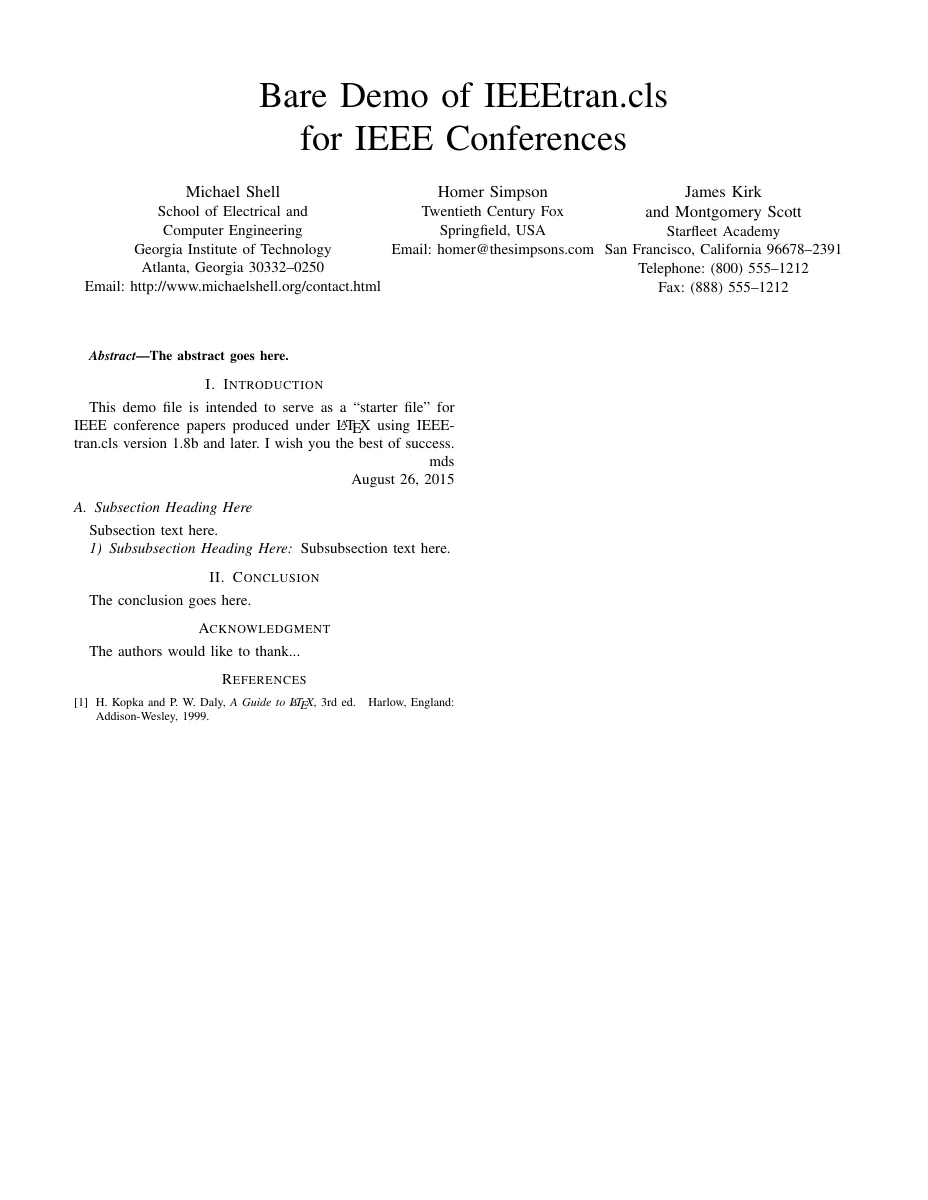
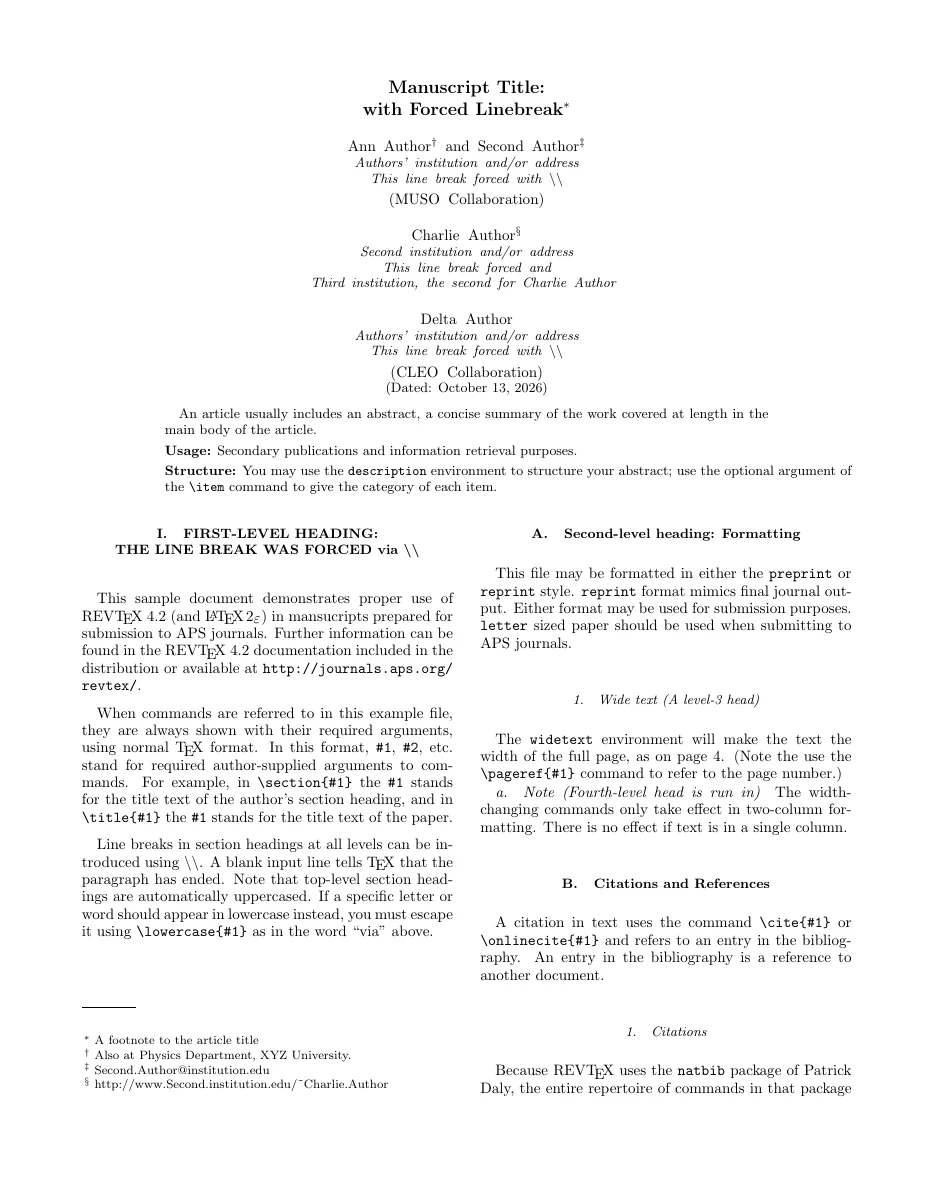
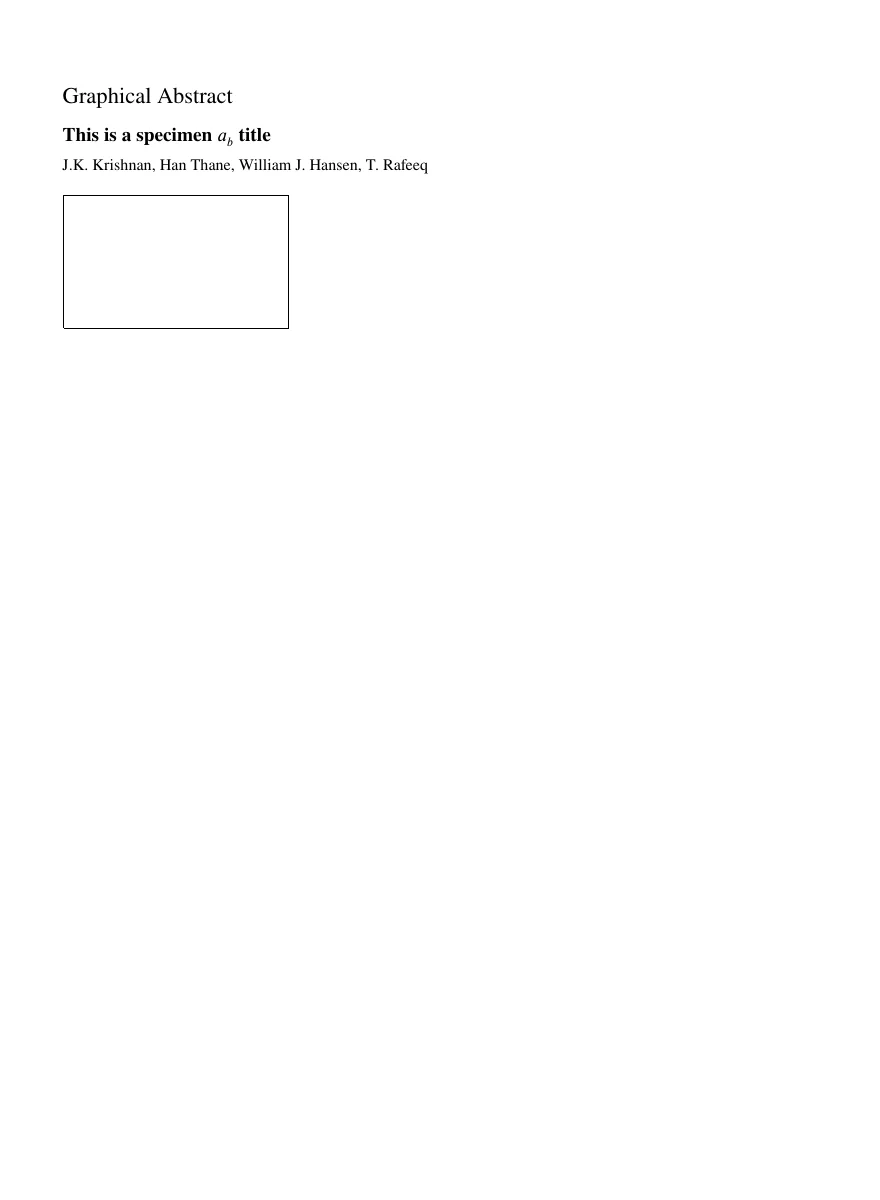
Start from your journal’s format
Pick the official template for your journal or publisher, see its first page, and start writing in it. Formats from ACM, IEEE, Elsevier, APS and more, plus theses, CVs and slides.
Browse templates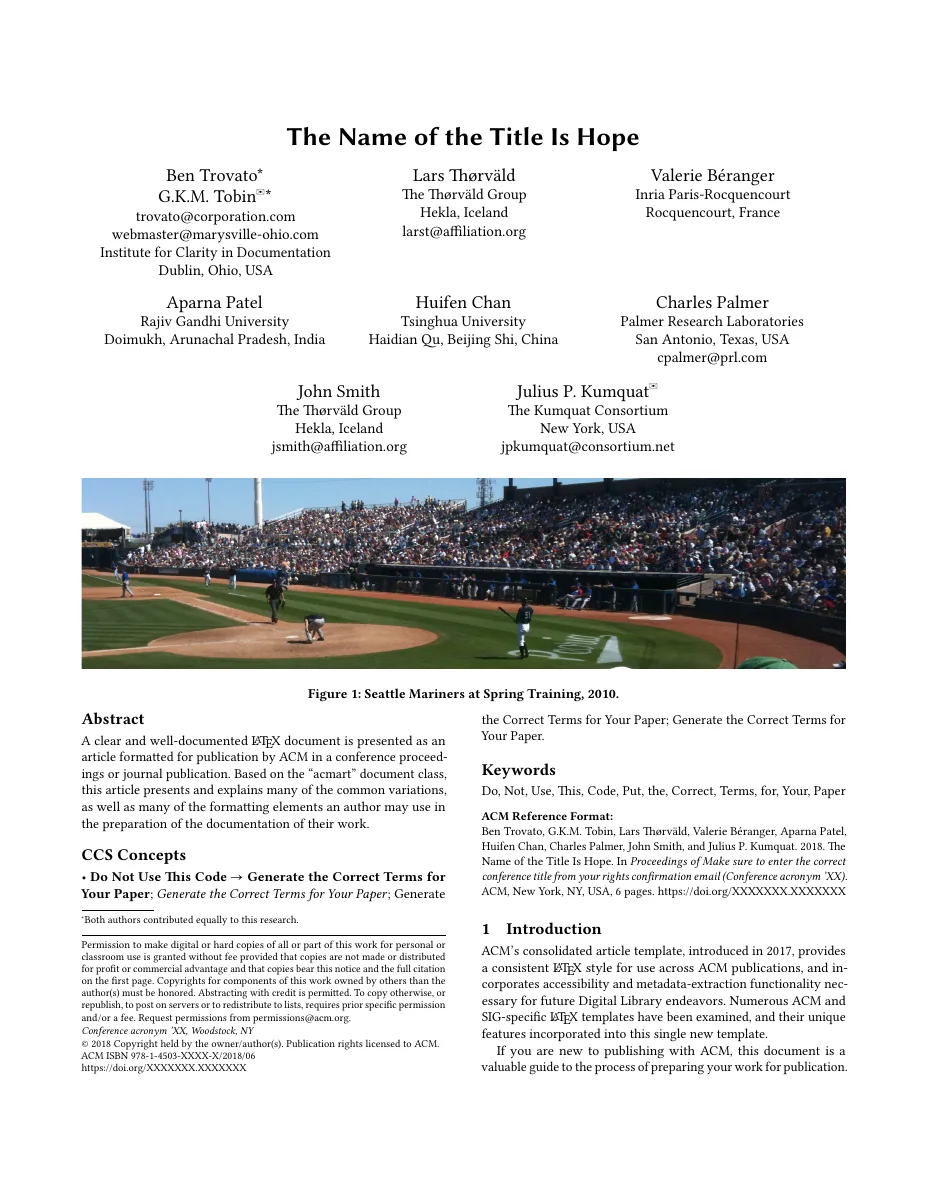
Write together, see it typeset
Every coauthor’s cursor shows as they type, with completions for your labels and citations. Compile whenever you like, for up to 10 minutes, with no daily limit.
All featuresReview every change
Coauthors comment on the exact passage and propose edits you accept or reject. History has no time limit: every named version is kept, and automatic snapshots thin to hourly, then daily, over time.
How history worksMove from Overleaf in three steps.
Your Overleaf project stays where it is. Tulip works on a copy.
Download the source
In Overleaf, choose File → Download → Download as source (.zip).
Import it
Choose Import ZIP in Tulip. Folders, figures and bibliography files come along. Several projects at once work too.
Compile and keep writing
Open the main file, compile, and invite your coauthors again.
Questions before you start.
Still unsure? Ask us directly or read Tulip help.
Is Tulip really free?
Yes. The free plan includes three projects you own, unlimited projects shared with you, unlimited collaborators, full version history and unlimited browser compiles. Paid plans will add compilation on our servers.
Do my coauthors need to pay or use up their projects?
No. Invited coauthors join with their own free account, and projects shared with them don’t count toward their three.
Will my Overleaf project compile?
Most projects compile as they are. Import the source ZIP, check the main file and engine, then compile. Package versions can differ between services, so the first compile lists any missing files or packages.
Why is the first compile slower?
Tulip compiles on your computer, in the browser. The first compile downloads the TeX engine and the packages your document uses; later compiles load them from the cache. Speed after that depends on your document and your computer.
Can I take my work with me?
Yes. Download any project as a source ZIP whenever you want.
I’m new to LaTeX. Where do I start?
Start with a template or the short LaTeX lessons. Each lesson has an example you can paste into a project and compile. Open the lessons.

Start your next paper.
Free for you and every coauthor.